
If you’re short on time, but have heard from friends and fellow travelers that you just have to experience nature in Southern Nicoya, here is a quick itinerary to work it into your vacation and get the best of both sides of the peninsula. In just three days and two nights, you’ll see the sun rise over the Nicoya Gulf and the sun set over the Pacific, with lots of extra in between.
Day 1: Arrive in Montezuma
- Check-in – Plan to arrive in Montezuma in the early afternoon by bus, shuttle, or boat. This will give you time to check in to your hotel and grab a quick bite to eat before adventuring. A few great hotel options are Hotel Ylang Ylang, located on the beach, or Amor de Mar at the base of the falls. Other great options in town include Luna Llena and Hotel Aurora, or Casa Frangipani above town on the hill (easiest to stay here if you have transportation).
- Waterfalls – Next, you’ll have time to go to the famous Montezuma Waterfalls. The hike is short, but can be tricky for those not familiar with the area. If you know you’ll want to do this, you can hire a private guide in advance, which is safer and recommended for less experienced hikers. Take some photos and a dip in the cool water, and head back before it starts getting dark.
- Shop & Dine – Once you clean up, you can walk around town, explore the little the shops, and then have dinner at one of the delicious restaurants. Cocolores is our favorite, but there’s plenty to choose from including some with live entertainment such as Organico.
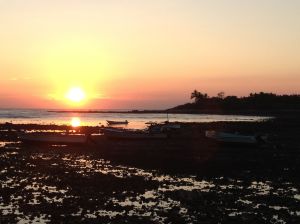 Day 2: Sunrise to Sunset
- Bird Watching or Nature Tour – If you love birds, book a Bird Lover’s Morning tour. It starts early, but it’s a great way to see the sunrise, get in a bird watching tour and have a late breakfast in the town closest to the southern point of the peninsula. If hiking is more your thing, you can watch the sunrise from your hotel or the beach, then take a guided tour to Cabo Blanco nature reserve.
- Travel to the Pacific Side – After checking out of your hotel, take a shuttle to the Pacific Side of the peninsula via the town of Cobano, or if you’re in your own car you can get there via the town of Cabuya in the dry season.
- Check-In & Dinner – You’ll be pretty hungry and tired by this point, so check in to a hotel with a great restaurant. We like Moana Lodge, or Frank’s Place in Mal Pais. Enjoy dinner while you watch the sunset over the waves of the Pacific Ocean.

Day 3: Explore Mal Pais/Santa Teresa
On your last morning, you’ll have time to explore Mal Pais or Santa Teresa a little before checking out. Schedule an early Stand-Up Paddleboard or surf session the day before, or spend the morning taking a long scenic walk on the beach. After that, you’re ready to checkout and head back to San Jose for departure home, or go on to your next Costa Rica destination.

 JC's Journeys