
Curu Wildlife Refuge: What to Expect, What You'll See and How to Visit from Montezuma
By JC Aguirre, licensed guideUpdated 4 min read
Short answer
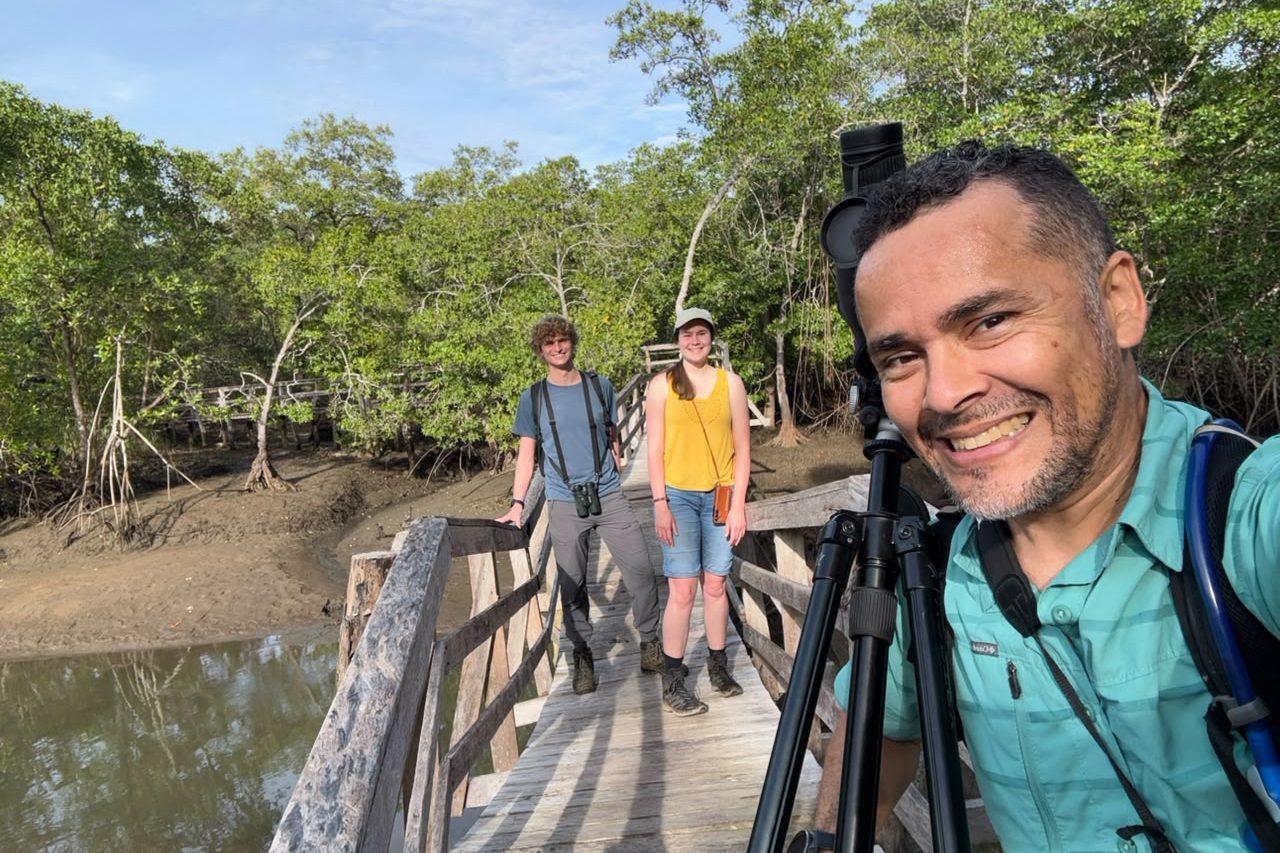
Curú National Wildlife Refuge is a privately owned, family-run reserve near Paquera, about an hour's drive from Montezuma. It combines a working farm with tropical dry forest, mangroves and a calm beach, and it is one of the easiest places in Costa Rica to see white-faced capuchins, howler monkeys, white-tailed deer, coatis and Scarlet Macaws on short, flat trails. We visit it on the half-day Curu Nature Escape.
- Where
- Near Paquera, southern Nicoya Peninsula
- From Montezuma
- ≈1 hour by road
- Status
- Costa Rica's first private national wildlife refuge (1983)
- Hike on our tour
- 1.5–2.5 km, mostly flat, ends at the beach
- Our tour
- Curu Nature Escape, 7:30 am–1 pm, lunch and entrance included
Ask a local guide on the peninsula where to take someone who wants to see animals, not just hear about them, and the answer is usually Curú. The refuge is not large and it is not remote, and that is precisely what makes it work: a mosaic of forest, pasture, mangrove and shoreline where wildlife has been protected, and habituated to quiet visitors, for over forty years.
A short history of Curú
Curú started as a family hacienda in the 1930s. Rather than clear the forest, the family set most of it aside, and in 1983 it became the first private national wildlife refuge in Costa Rica. Today it is still family-run: cattle graze on part of the property, researchers and students come for field courses, and a long-running program has helped bring Scarlet Macaws back to the peninsula. Visitor fees go directly into keeping the place as it is.
What animals will you see in Curú?
No reserve can promise a species, but Curú comes closer than most. On a typical morning we expect:
- White-faced capuchin monkeys, bold troops that forage at eye level along the main trail.
- Mantled howler monkeys, usually heard first; their dawn chorus carries for kilometers.
- Spider monkeys, reintroduced to the refuge and now breeding in the taller forest.
- White-tailed deer and agoutis on the pasture edges, coatis and raccoons near the mangrove.
- Scarlet Macaws flying between the almond trees along the beach.
- Iguanas, basilisk lizards, Halloween crabs by the hundred, and more than 200 recorded bird species, from motmots and trogons in the forest to herons, kingfishers and roseate spoonbills in the estuary.
The trails and the beach
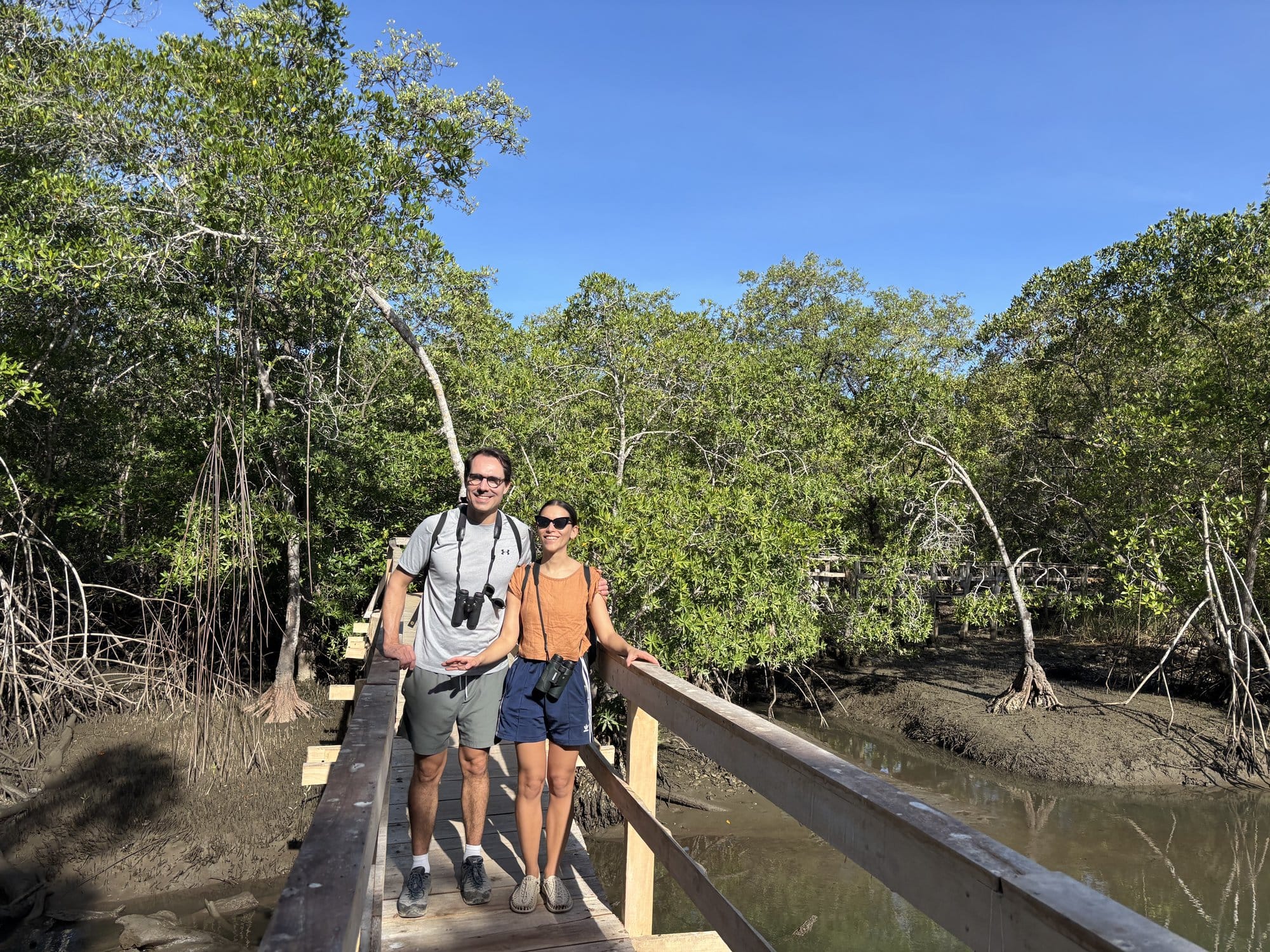
Curú has a network of marked trails, from short loops through the mangrove to longer climbs into the hills. On our Curu Nature Escape we walk 1.5 to 2.5 km at a naturalist's pace, which means slowly, with lots of stops to look up. The route is mostly flat and shaded and finishes at Playa Curú, a calm, sheltered bay where you can swim while the capuchins watch from the almond trees. The hike suits children and anyone comfortable walking for an hour or two.
How our half-day tour works
- 7:30 am pickup at your hotel in downtown Montezuma (other pickup points on request).
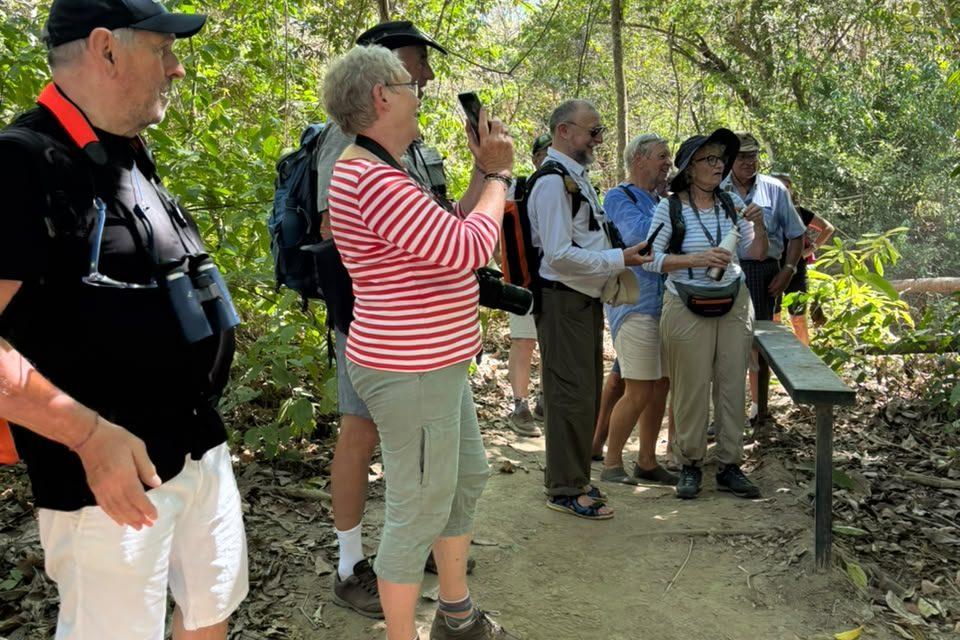
- About an hour's drive north through Cóbano and the hills toward Paquera, with a stop or two for whatever shows up on the way: coatis, hawks, a view over the gulf.
- Guided walk in the refuge with binoculars and scope, then free time to swim at the beach.
- Typical Costa Rican lunch at a local restaurant: a casado with rice, beans, salad and your choice of chicken, fish or a vegetarian option.
- Back in Montezuma around 1 pm, with the afternoon free.
Entrance fee, equipment, guide, lunch and transportation from downtown Montezuma are all included. The tour runs on Tuesdays, Thursdays, Fridays and Saturdays, and we can arrange private departures on other days.
Can you visit Curú on your own?
Yes. The refuge is open to independent visitors who pay the entrance fee at the gate, and the main trails are well marked. What a guide adds is the wildlife itself: knowing which fig tree is fruiting this week, hearing the manakin before it moves, spotting the sleeping night heron that everyone else walks past, and explaining what you are looking at. Guests who have visited both ways tell us the difference is roughly three times the sightings.
What to bring
- Closed shoes or sturdy sandals; the trail is flat but rooty.
- A refillable water bottle (we keep it full), sunblock and insect repellent for the mangrove section.
- Swimsuit and a small towel for the beach.
- Camera. The capuchins are close enough for a phone.
Questions we get asked
Frequently asked questions
Experience it
Tours mentioned in this post
Curu Nature Escape
Animals, nature and more on a half day journey to Curu Wildlife Refuge.
Animals, nature, and more on this half day journey to Curu Wildlife Refuge. Learn about the nature that surrounds you in this unique ecosystem.
- Curu Wildlife Refuge
- 7:30am-1pm
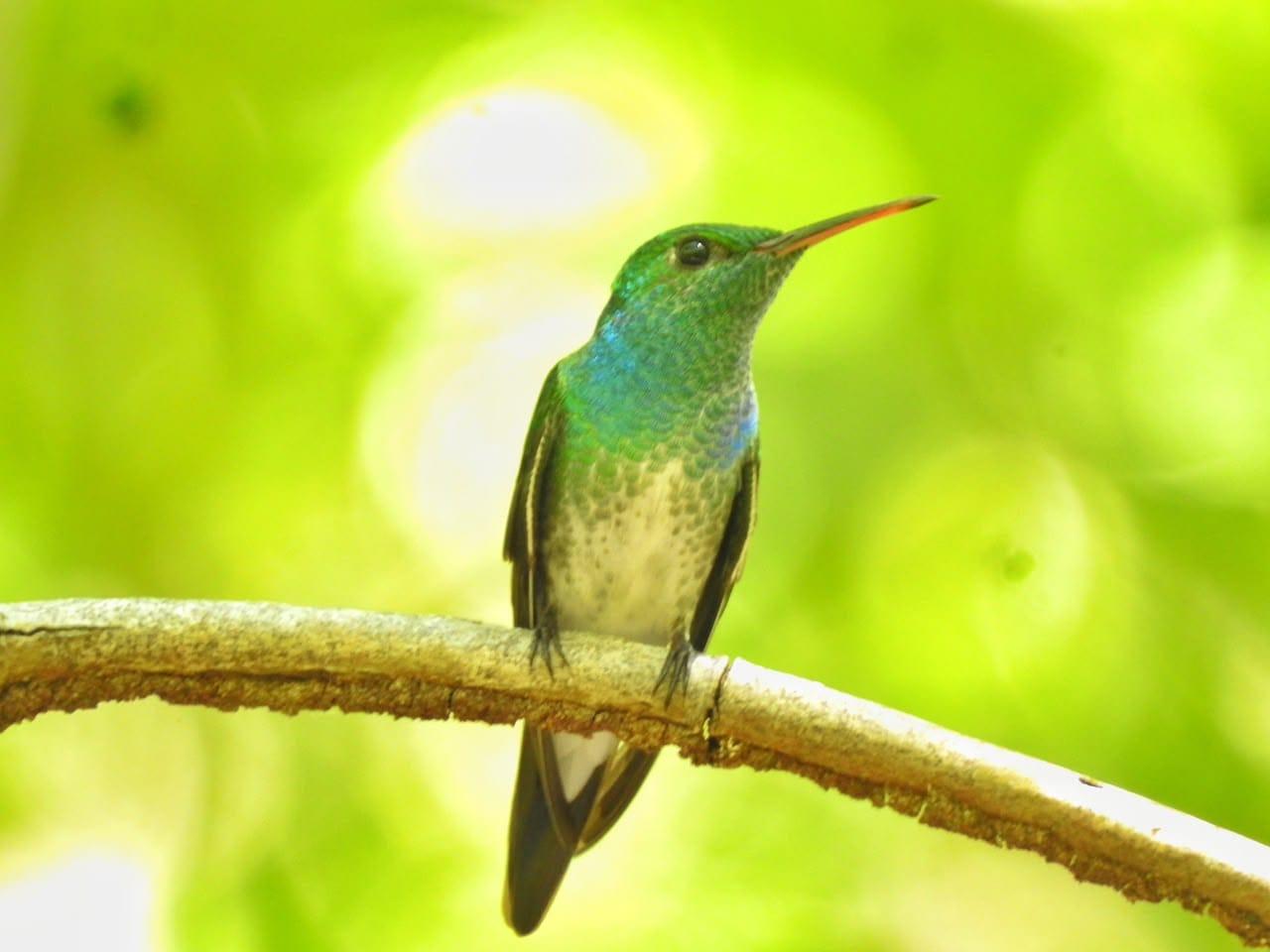
Bird Lover's Morning
Sunrise over the Nicoya Gulf and some of Costa Rica's most beautiful birds.
If you love birds, you've come to the right place. Take a morning to see some of Costa Rica's most beautiful birds and let the guide do the hard work.
- Montezuma/Cabuya
- 5:30am-8:30am